July 14, 2026 at 8:10 a.m.
Motion is Medicine: Why Walking May Be the Optimal Approach for Improved Health
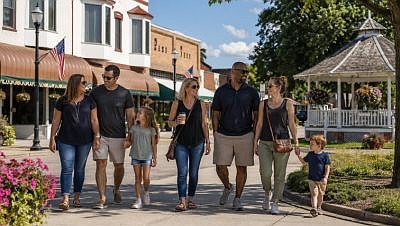

The human body is naturally designed for movement. Unfortunately, many individuals today spend excessive amounts of time seated—whether at work, in transit, or during leisure time. Prolonged inactivity can lead to increased stiffness, discomfort, and a higher risk of chronic health conditions.
The positive news is that one of the most effective forms of exercise requires no specialized equipment or gym membership. All it takes is a comfortable pair of shoes and a willingness to take the first step.
Walking is a safe, accessible, and highly effective way to enhance overall health. Studies have demonstrated that regular walking can help reduce the risk of heart disease, stroke, type 2 diabetes, hypertension, certain cancers, and osteoporosis. Additionally, walking can improve sleep quality, decrease anxiety, elevate mood, and support healthy weight management.
As a chiropractor, I often hear patients express, “I don’t exercise because I hurt.” While pain should be addressed, it’s often the case that decreased activity contributes to discomfort—creating an unhealthy cycle that starts with pain and leads to increased pain.
Engaging in regular movement breaks this cycle. Walking enhances circulation, promotes joint lubrication, strengthens muscles supporting the spine, and encourages better posture and balance. When combined with stretching, healthy lifestyle choices, and appropriate chiropractic care, consistent activity can help individuals maintain mobility and independence throughout all stages of life.
The best aspect of walking is that it’s accessible for everyone. You don’t need to start by walking five miles on your first day—begin where you are.
If you’re just starting out:
* Walk for 10–15 minutes, three to five times per week
* Wear supportive footwear
* Maintain a pace that allows for comfortable conversation
* Gradually increase your duration as your endurance improves
Most importantly, remain consistent. Progress is measured over weeks and months, not days.
Additionally, I encourage finding everyday opportunities to incorporate movement—such as taking stairs instead of elevators, parking further from entrances, standing periodically throughout the day, walking with a colleague or friend, or taking a short walk after dinner. Small changes can build sustainable habits.
Our aim isn’t merely to increase longevity but to enhance quality of life. Staying active enables us to enjoy activities like playing with grandchildren, gardening, traveling, pursuing hobbies, and maintaining independence as we age.
Movement truly is medicine.
To support community wellness efforts, I invite you to join us for our upcoming Community Walk. Whether you are an experienced walker or just beginning your health journey, everyone is welcome. Come enjoy fresh air, connect with neighbors, and take a simple step toward better health.
Remember, sometimes the most important step is the first one.