September 23, 2026 at 9:40 a.m.
What We Inherit Besides Grandma’s Recipes
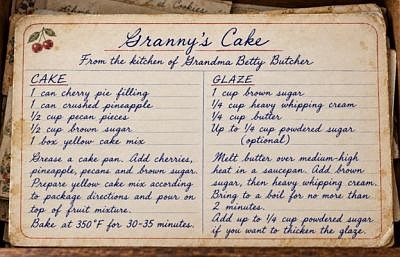

Sometimes the most valuable thing in a kitchen drawer is a recipe card. The corners are soft. There may be a little vanilla on the paper. The handwriting belongs to someone whose voice you can still hear, especially when you reach the instruction that says “add enough flour.” Enough for what? Somehow, Grandma always knew. We keep these things because they connect us to people. A recipe becomes more than instructions for making a pie. It is a Sunday afternoon, a crowded table, a person we miss. For me, it’s the recipe cards of my Grandma Betty.
As Hope prepares for Heritage Days, it is a fitting time to think about what we carry forward. Community traditions invite us to remember the people who built something worth keeping. Families do much the same thing, passing along photographs, stories, recipes, and familiar expressions. But there is another piece of our inheritance that deserves a place beside those treasured memories: our family health history.
Many of us can name the relative who made the best desserts. We may be less certain about which relative had heart disease, what type of cancer an aunt experienced, or how old a parent was when diabetes was diagnosed. Those details can be useful. The Centers for Disease Control and Prevention encourages people to collect family health information and share it with their healthcare provider. It can help guide decisions about screening and when certain tests should begin. Family patterns reflect more than genes; relatives may also share habits and environments. A condition in the family does not mean you are certain to develop it. It gives you and your provider information to work with.
Starting the conversation does not require a family meeting or an elaborate chart. It might begin while washing dishes after dinner: “I realized I don’t know much about our family’s health history. Would you mind telling me what you remember?” Ask about major health conditions, which relatives experienced them, and approximately how old they were at diagnosis. Include both sides of the family. Record what you learn in a notebook or a secure note on your phone and bring it to a healthcare visit.
Respect matters, too. Some relatives are comfortable discussing medical experiences. Others are not. Ask privately, explain why you are interested, and let people decide what they wish to share. You may also encounter gaps. Families lose touch. Older generations sometimes avoided talking about illness. Some people are adopted or do not have access to biological relatives. An incomplete history is still worth discussing with your provider; you do not need every answer before taking care of yourself.
During Heritage Days, there will be plenty of reasons to remember where we came from. Perhaps one conversation can help us think about what we want to pass forward. Keep the recipe card. Ask how the cake was made. Write down the story behind the photograph.
And when the moment is right, ask a few questions that might help the next generation care for its health. Some inheritances are precious because they preserve the past. Others become precious because of what we do with them next.